

What is studied in Phase I
- Safety and tolerability — how the body reacts to the medicine and what side effects occur.
- Pharmacokinetics — how the active substance is absorbed, distributed and eliminated.
- Dose — which doses are suitable for further studies.
The group of participants is usually small — as a rule, from 20 to 100 people.
What the clinic has for Phase I
Phase I studies require continuous observation of participants and a quick response if something does not go to plan. At our site:
- bedside monitors for continuous observation and a staff call system;
- 12-lead ECG recorders and pulse oximetry equipment;
- an intensive care ward with a defibrillator, a ventilator, an infusion pump, an oxygen concentrator and an electric suction unit;
- laboratory equipment for pre-analytical processing of samples: centrifuges, freezers and refrigerated cabinets.
For details, see the Equipment page.
Experience
The clinic has experience of Phase I studies under international protocols. The clinic’s own volunteer database helps to plan enrolment timelines.
Where to start
Send us a synopsis or protocol. We will carry out a feasibility assessment and prepare a budget and a schedule. Or send a request right away.
Questions and answers
How does Phase I differ from a bioequivalence study?
Phase I studies a new medicine: its safety, tolerability and a suitable dose. A bioequivalence study compares a generic medicine with the reference medicine by how the active substance reaches the bloodstream.
Do healthy volunteers take part in Phase I?
Most often, yes. For some medicines, for example in serious diseases, patients take part in Phase I. The study protocol determines who takes part.
See also

Bioequivalence studies in Moscow
A bioequivalence study shows that a generic medicine reaches the bloodstream in the same way as the reference medicine. Bessalar Clinic conducts such studies in healthy volunteers in its in-patient unit and processes samples on site.
Learn more
Feasibility assessment of a clinical study
A feasibility assessment is a review of the protocol before a study starts. It shows whether the study can be run at the site within the required timelines and with the required number of participants. The clinic carries out this assessment for sponsors and contract research organisations (CROs).
Learn more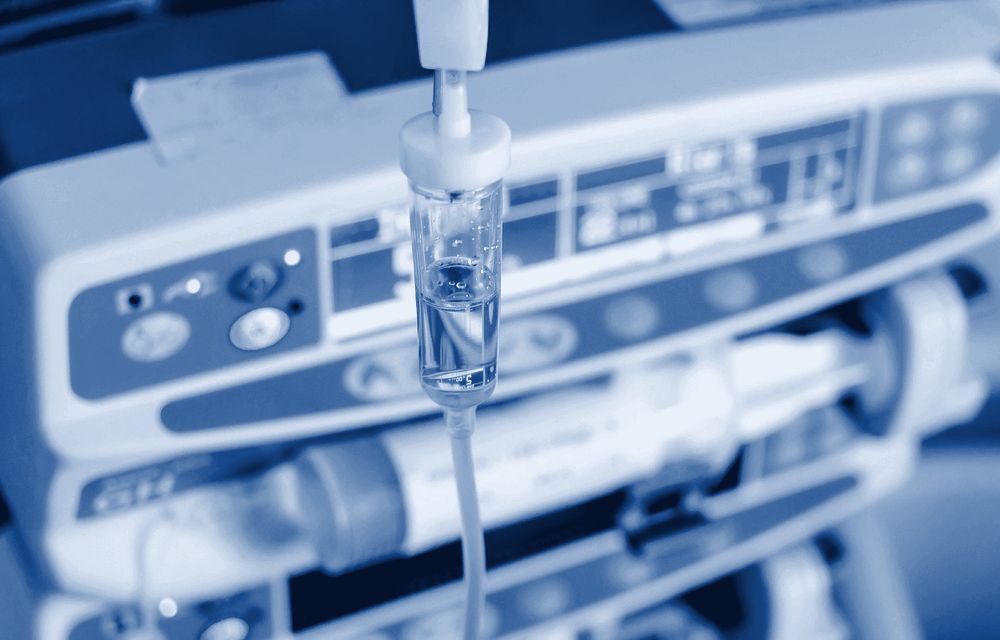
Equipment for clinical studies
The clinic has equipment for monitoring participants, emergency care and pre-analytical processing of samples, from 12-lead ECG recorders and bedside monitors to centrifuges and freezers.
Learn more