Why it matters
In a bioequivalence study the products are compared by the concentration of the substance in the blood over time, that is, by samples taken at set moments. The result depends on how exactly the time of collection is observed and how the sample was handled afterwards: waiting too long, a break in temperature or a lost label can make a sample unusable. That is why the conditions for handling samples are described in the protocol and in standard operating procedures, and the rules for re-analysing samples are provided for in advance (EAEU Rules, clause 71).
The path of a sample
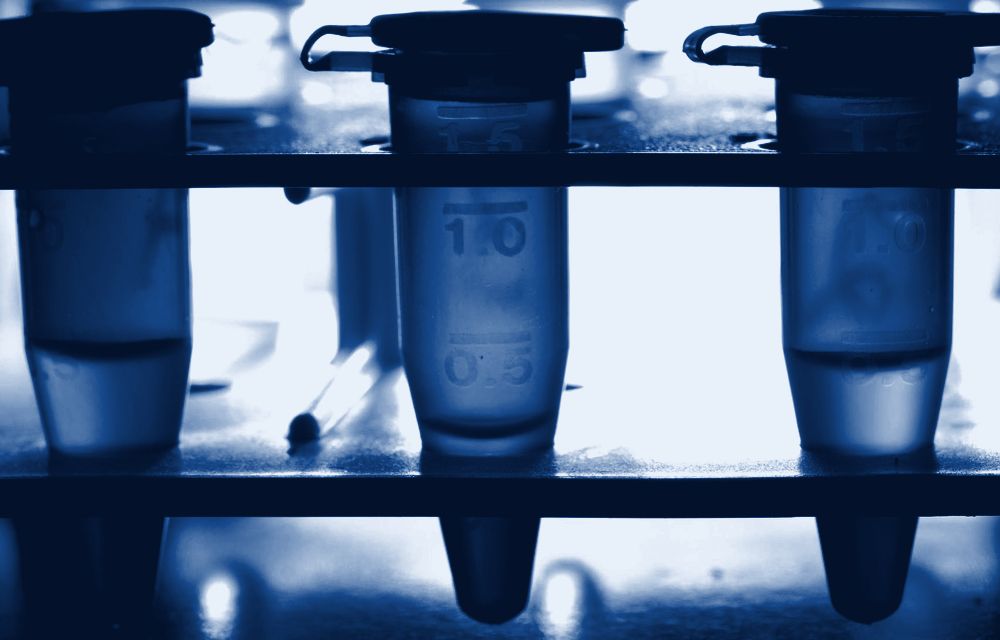
- Collection. Blood is taken at the moments set by the protocol; the actual time is recorded. A deviation from the schedule is recorded and explained.
- Identification. Tubes are labelled so that a sample cannot be mixed up: participant number, period, time.
- Centrifugation. Samples are centrifuged under the conditions set by the protocol to obtain plasma.
- Division. The plasma is divided into portions (aliquots): a main one and a back-up one.
- Freezing and storage. The portions are frozen and stored at the temperature set by the protocol. The clinic has freezers from −20 to −80 °C and refrigerated cabinets, and temperature recording instruments.
- Transfer. The samples go to the analytical laboratory at the set temperature, with accompanying documents. For transport of samples at a controlled temperature, see the recommendation at the bottom of the page.
- Documentation. The processing time, the storage temperature and the transfer of the samples are recorded so that the chain of handling of the sample can be reconstructed.
What affects the quality of samples
- Accuracy of time: the permitted deviation window at collection and the time before centrifugation.
- Temperature: storage and transfer in the mode set by the protocol; control and recording of temperature.
- Identification: labelling and reconciliation that rule out a mix-up or loss of samples.
- Number of portions: a main and a back-up portion, so that re-analysis is possible where the protocol provides for it.
- Documents: logs and transfer records.
What we need from you
The laboratory manual or sample instructions: the type of tubes and the anticoagulant, volumes, centrifugation conditions, storage and transfer temperatures, and the address and schedule for receiving samples at the laboratory. We build this information into the project procedures when preparing the site — see “How we work”.
Questions and answers
What is the pre-analytical stage?
Everything that happens to a sample before its concentration is measured: collection at a set time, labelling, centrifugation, division into portions, freezing, storage and transfer to the analytical laboratory. Mistakes at this stage distort the result, so its conditions are described in the protocol and in standard operating procedures.
Who measures the concentration of the substance in the samples?
An analytical laboratory does, with a validated method. The provider is determined in the project; the clinic is responsible for collecting, processing, storing and transferring the samples.
What happens to the samples after the study?
Storage, return and destruction of samples are determined by the protocol and the contract. This is agreed in advance, before the clinical phase begins.
See also
Bioequivalence studies in Moscow
A bioequivalence study shows that a generic medicine reaches the bloodstream in the same way as the reference medicine. Bessalar Clinic conducts such studies in healthy volunteers in its in-patient unit and processes samples on site.
Learn more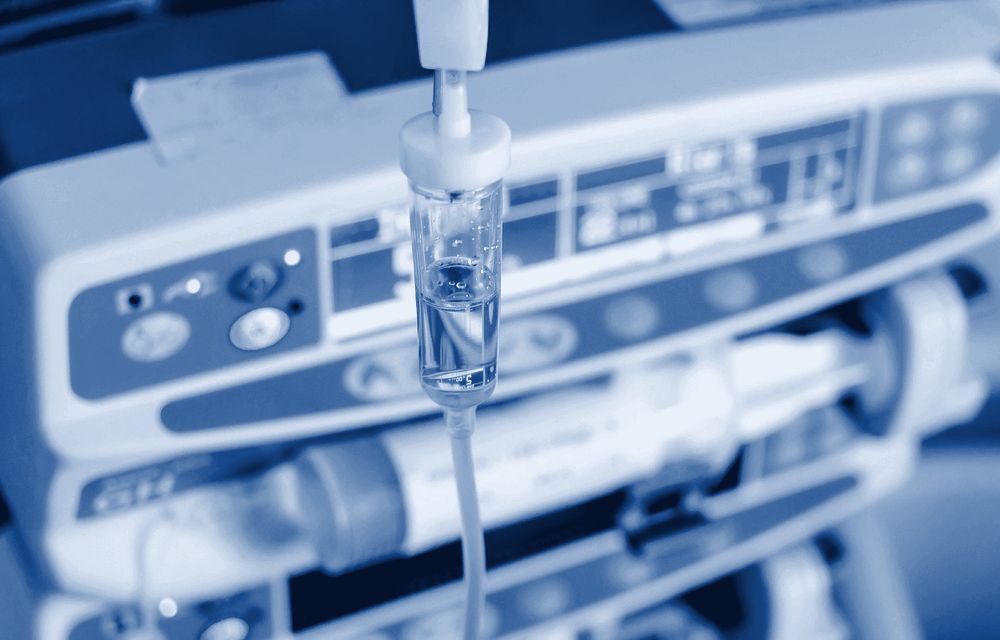
Equipment for clinical studies
The clinic has equipment for monitoring participants, emergency care and pre-analytical processing of samples, from 12-lead ECG recorders and bedside monitors to centrifuges and freezers.
Learn more
How long does a bioequivalence study take: what the timeline consists of
The duration of a bioequivalence study is made up of stages: preparation and feasibility, permit and ethics review, volunteer recruitment, the clinical phase, bioanalysis, statistics and the report. The law limits the review to 25 working days; the rest depends on the product and the protocol.
Learn more