

The list works for any site — you can use it when talking to us as well. For each point, ask for supporting documents or data.
1. Right to operate
A licence for medical activities with its appendix (which works and services are permitted, and at what address). Check the licence in the Unified Register of Licences of Roszdravnadzor, not only from a copy of the document. Clinical studies of medicinal products are conducted by medical organisations from a list published by the Ministry of Health; the Ministry issues the authorisation for each study and enters it in the register of authorisations. There is currently no separate “accreditation” for such studies: if a site calls itself “accredited”, ask which document it means.
2. Experience
How many studies of the phase and area you need have been conducted, and over what period. Ask for an aggregated register of studies without sponsor names.
3. Investigators
The experience of the principal investigator and the team, current specialist certificates and a GCP certificate, and the workload from parallel studies.
4. Quality system
The register of standard operating procedures (SOPs) and their revision dates, the history of internal audits and corrective and preventive actions (CAPA), experience of audits and inspections, and readiness to accept your audit.
5. Equipment
A current list without serial numbers, dates of metrological verification and calibration, qualification of critical instruments, and the availability of everything the protocol requires (ECG, monitors, centrifuges and so on).
6. Laboratory and sample storage
Sample-handling conditions (refrigerated centrifuges), the number and capacity of freezers (including −80 °C), continuous temperature monitoring and alarms, backup power, the procedure in case of failure, and how samples are shipped.
7. Participant safety
An intensive care ward and emergency equipment, staff training for life-threatening conditions, arrangements with the ambulance service, and how adverse events are recorded and reported.
8. Recruitment
A realistic recruitment forecast for your protocol, supported by examples from past projects; how the volunteer or patient database is organised and how personal data is protected.
9. Data handling
How source documents and logs are kept, whether the site has experience with electronic data capture (EDC) systems, and how an audit trail and archiving are ensured.
10. Ethics review and regulatory affairs
Who prepares the documents for ethics review and for the study authorisation, which timelines are realistic, and whether the site has its own ethics committee and what its role is.
11. Conditions for participants
Accommodation, meals, overnight observation, transport access and opening hours. For studies with hospitalisation, these affect recruitment and retention.
12. Communication
Who your contact is, how quickly they respond, and how reporting during the study is organised.
What to do next
Put the answers in a table, invite the site for a qualification visit and compare sites against transparent criteria. If you are considering Bessalar, send us a synopsis or protocol: we will carry out a feasibility assessment and prepare a budget and a timeline.
Questions and answers
Are certificates and a licence enough to choose a site?
No. Documents show the right to operate, but they do not show how a site will cope with your protocol. That is why a feasibility assessment and, as a rule, a qualification visit are carried out.
See also

Feasibility assessment of a clinical study
A feasibility assessment is a review of the protocol before a study starts. It shows whether the study can be run at the site within the required timelines and with the required number of participants. The clinic carries out this assessment for sponsors and contract research organisations (CROs).
Learn more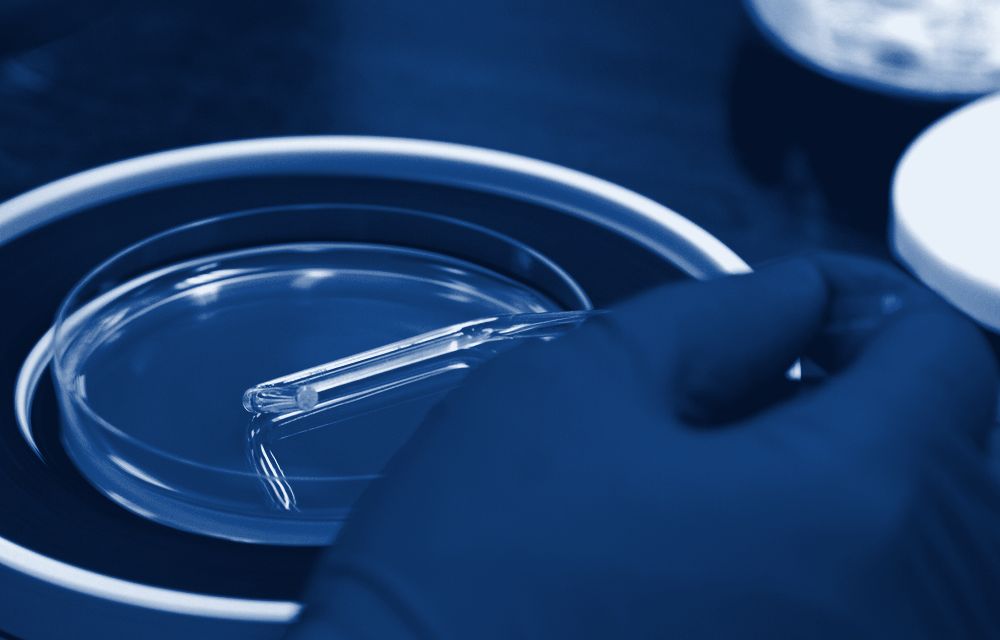
Quality management system
Participant safety and data reliability are ensured by a quality management system: standard operating procedures, internal and external audits and regular staff training.
Learn more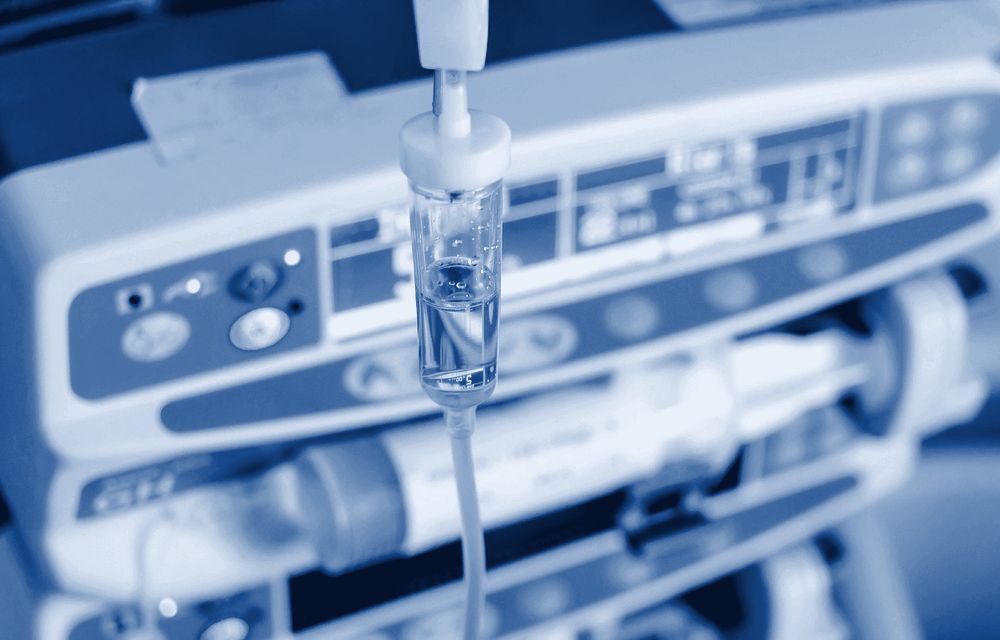
Equipment for clinical studies
The clinic has equipment for monitoring participants, emergency care and pre-analytical processing of samples, from 12-lead ECG recorders and bedside monitors to centrifuges and freezers.
Learn more